The Complete
Pre-Build
Method
For homeowners building a custom home, who want to GET IT RIGHT.
Have a complete, buildable plan for your custom home — in 30 days.
The $40,000 Difference
The homeowners who blow $40,000 over budget aren't careless. They're smart people who started making decisions before they had a plan — and never saw the bill coming until it was too late to stop it.
You don't have to build that way. Get the plan first — so when the hard decisions come at you, you're not wasting thousands by reacting under pressure. You're executing a plan you already built.
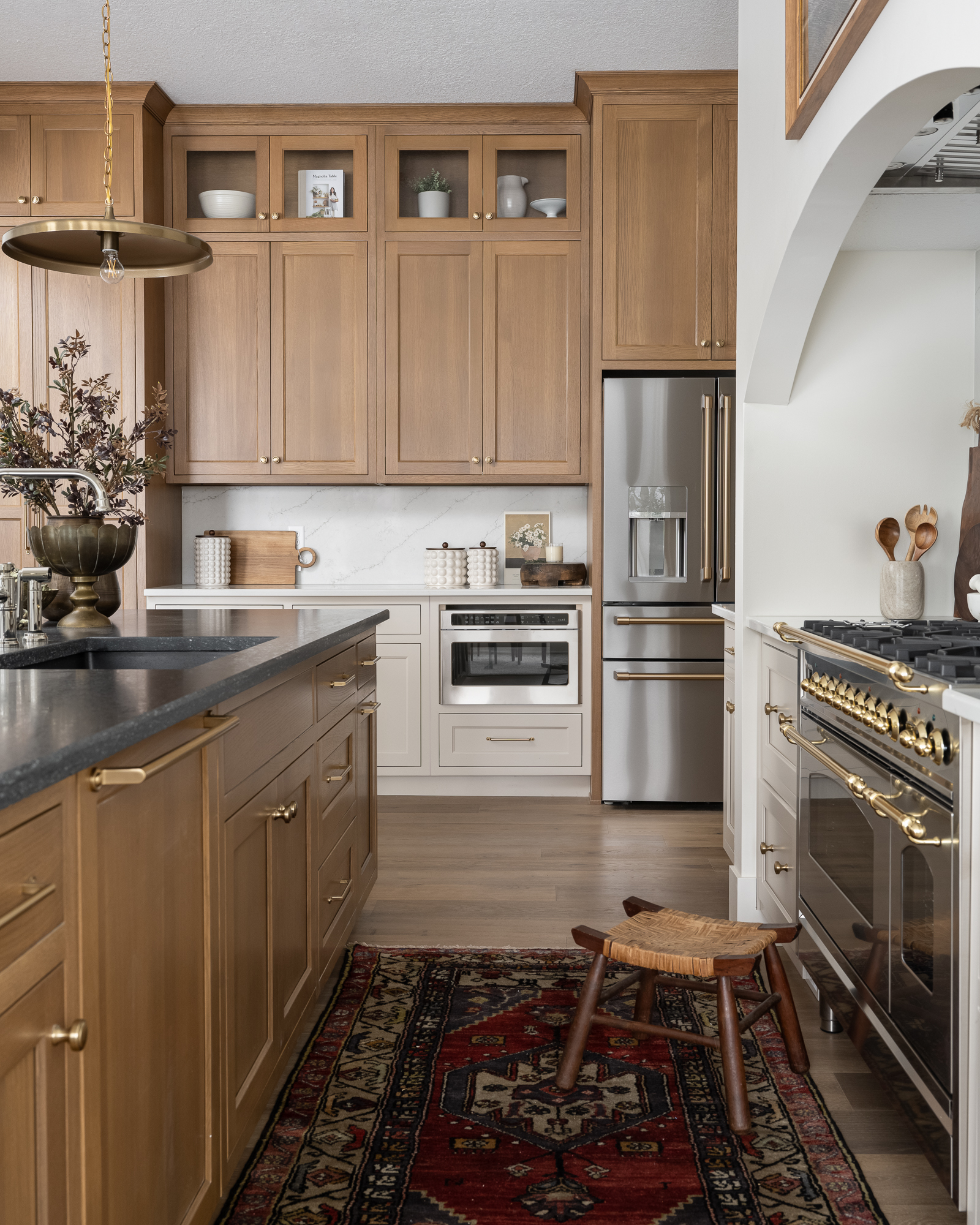
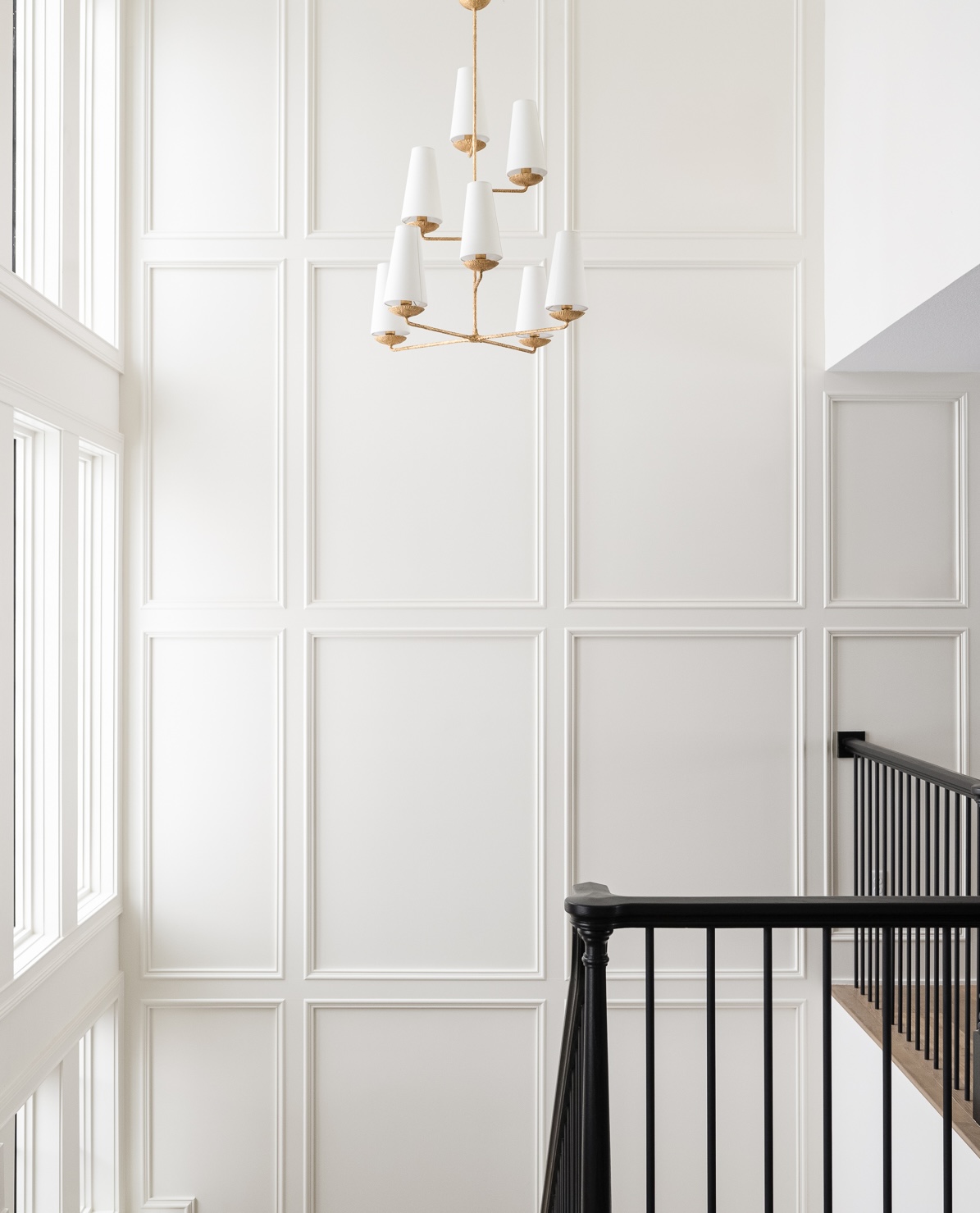
We’ve all heard the horror stories about building a home.
Blown budgets.
Decision fatigue.
Regrets that last long after the build is over.
And here's the part that stings: you can't fix it with more money, more time, or more inspiration. People throw all three at it. It doesn't work.
Without a plan, this isn't a risk — it's the default — I’ve seen it happen to too many good families… 10–20% over budget. Months behind. The home you pictured turning into the one you dread. That's not what happens to the unlucky few. That's what happens to almost everyone who starts making decisions before they've made a plan.
You've pictured this for years.
Now it's real — and suddenly it's terrifying.
You've got a million ideas… and no clue where to start.
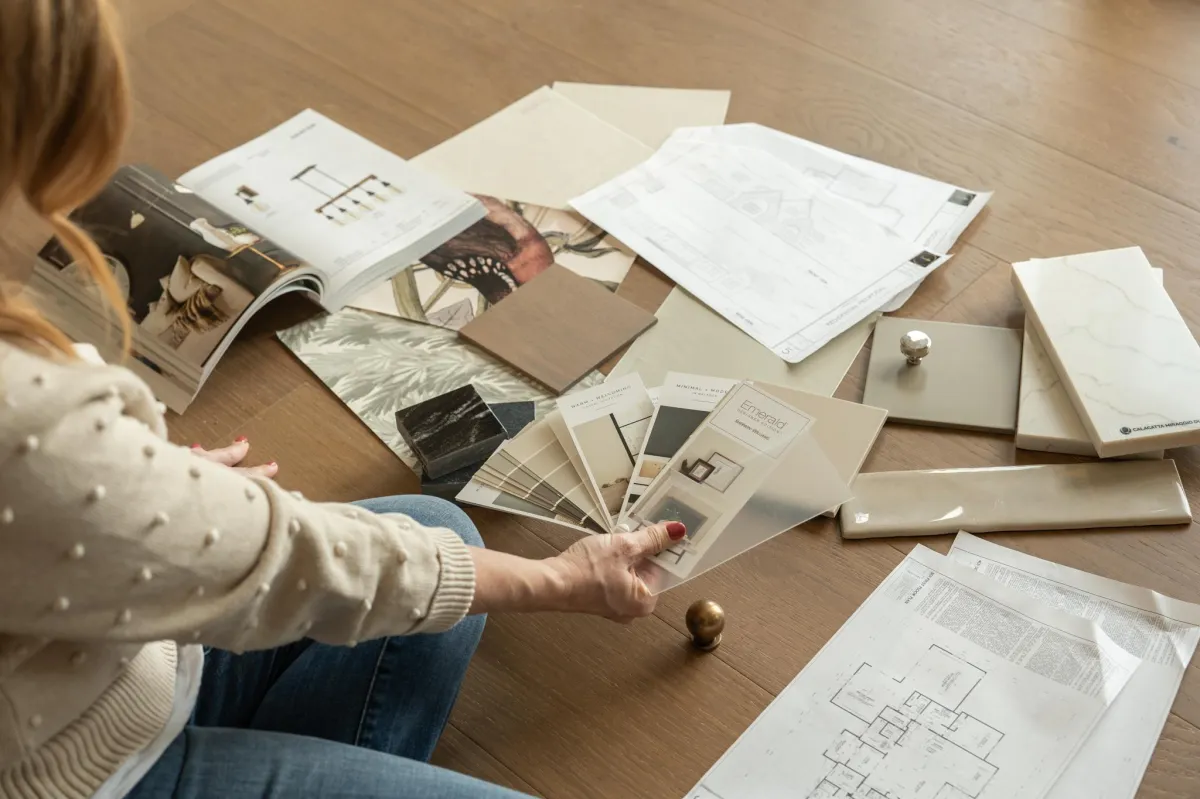
The board. The saved photos. The floor plans open in seventeen tabs. So you do what feels productive — you pull a Dory, just keep pinning, just keep drooling — and months bleed into years, until the only thing you've actually built is a Pinterest board.
Every one of those months is a decision you didn't make on purpose. And they don't come back.
You're terrified you've got champagne taste on a beer budget.
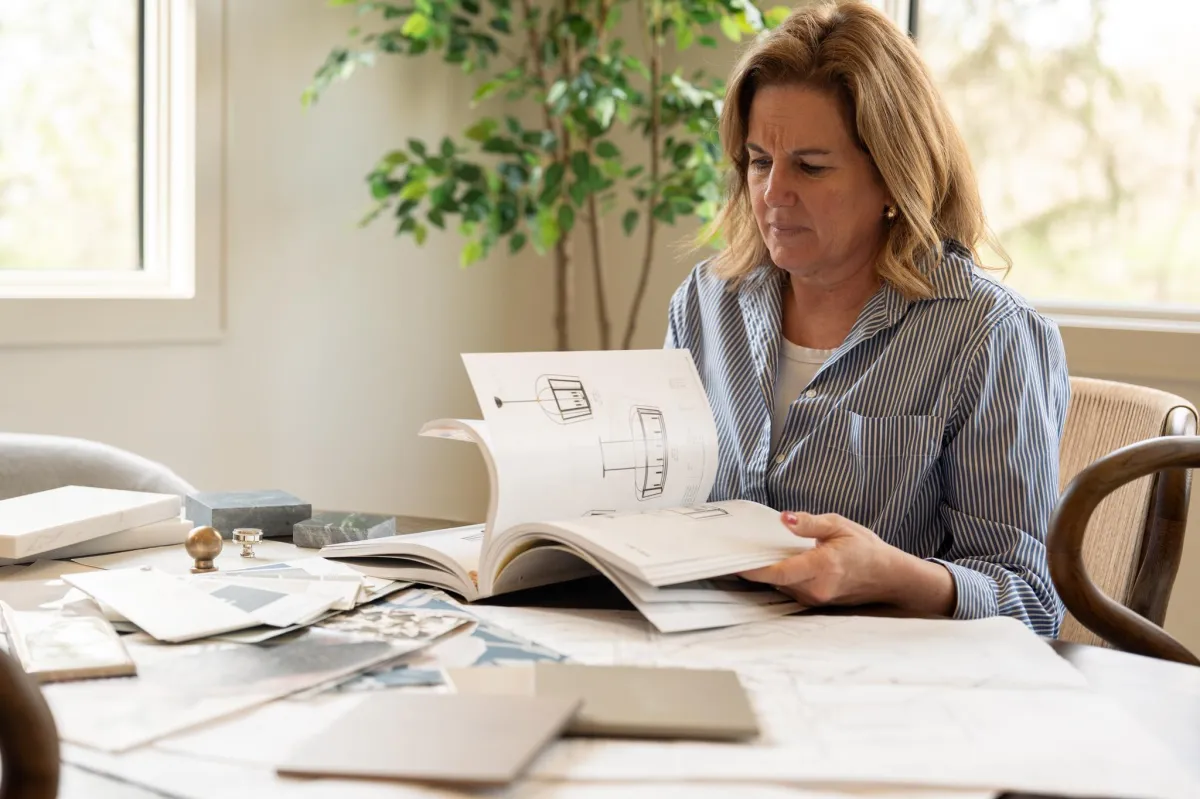
You know exactly what you love — your Pinterest board is proof. What you have no idea about is what any of it costs. So here's how it plays out: you fight your own budget at every single turn… and still land $20K over.
Doing it the hard way doesn't protect your money. It just costs you the vision and the budget. You lose twice.
You're drowning in decisions — and terrified you're getting them all wrong.
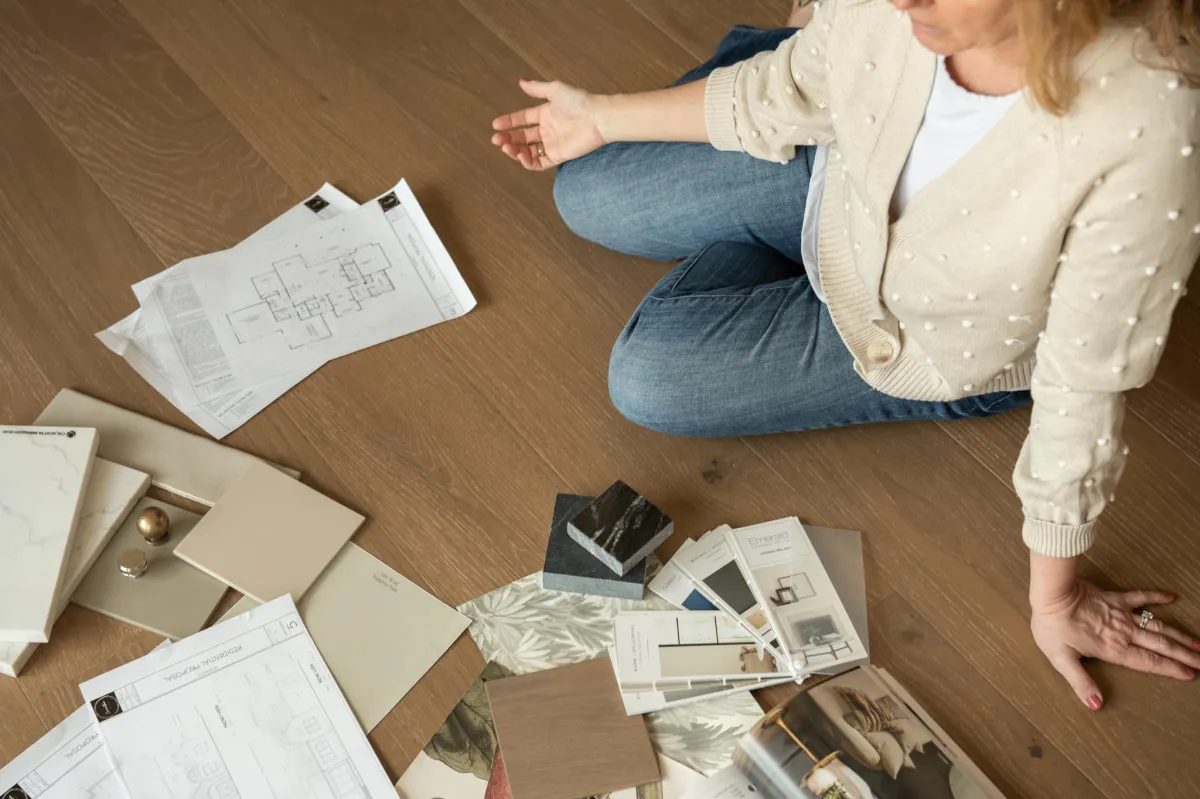
A thousand high-stakes calls. Every one under pressure. Every one while praying to the design gods you won't regret it. And with no plan to guide you, here's what you're actually buying: top dollar for choices you'll resent every single time you walk past them. For the next twenty years.
You don't get a do-over on a load-bearing wall.
And here's what no one tells you: none of this is your fault.
You're smart. You're capable. You're the one who has everything else in your life handled. So when this one suddenly leaves you confused and second-guessing every move, you assume the problem is you — that you're just not cut out for this the way everyone else apparently is.
You're not the problem. Nobody handed you a way to do this — and "figure it out as you go" was never going to work on a $500,000 build.

It's why homeowners end up $60K over before they've touched a single finish. Why they get blindsided by $3K–$5K change orders just to undo decisions they didn't know they were locking in. Why they're living in the in-laws' guest room six months past the date they were promised.
Not one of those people did anything wrong. They just never got the one step you're about to get.
Your home should be the best thing you ever build. Not the most expensive mistake you'll ever live inside.
There's a better way to build — and it starts before the foundation does.
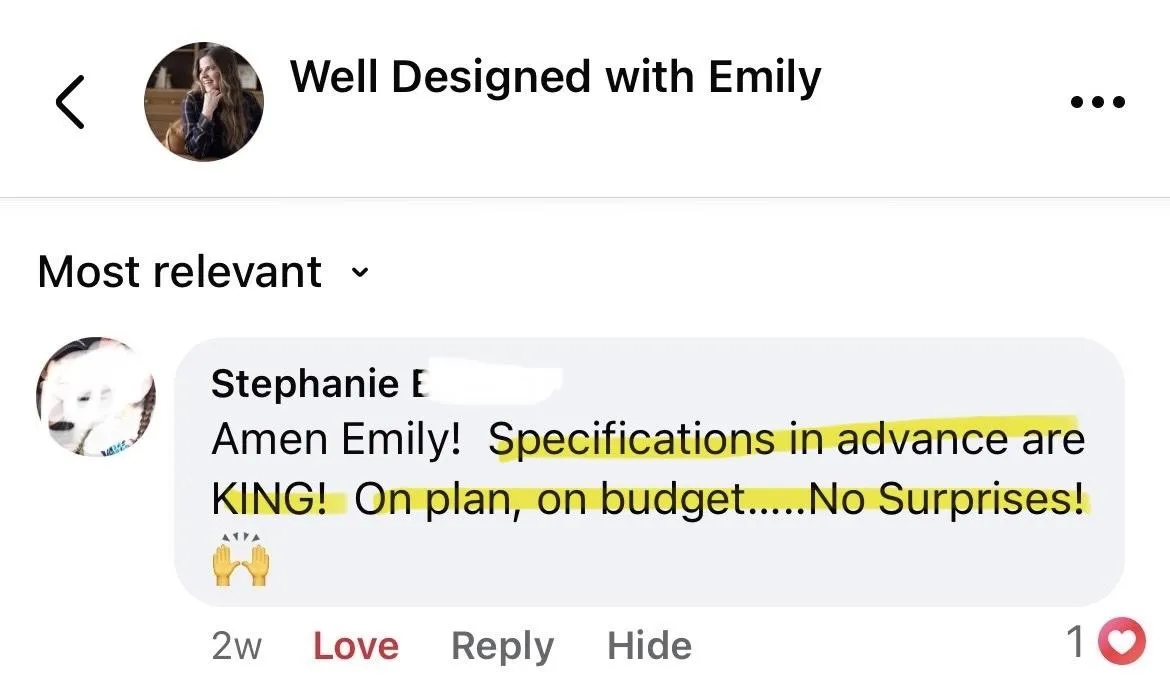
Plan with a real framework and everything changes. Every decision gets made on purpose — driven by a clear vision, real priorities, and a budget you actually trust instead of cross your fingers over.
✔ You dodge the change orders and overruns that bleed homeowners $5K–$50K+. (Read that number again.)
✔ You move in on schedule — instead of writing rent checks somewhere else while your date keeps sliding.
✔ You decide ahead of time, because you finally see how every piece fits before a single dollar gets committed.
✔ Your builder conversations get sharp and productive — because for once, you can say exactly what you mean.
✔ You get a home that's unmistakably you — not a Frankenstein of disconnected choices stitched together under deadline.

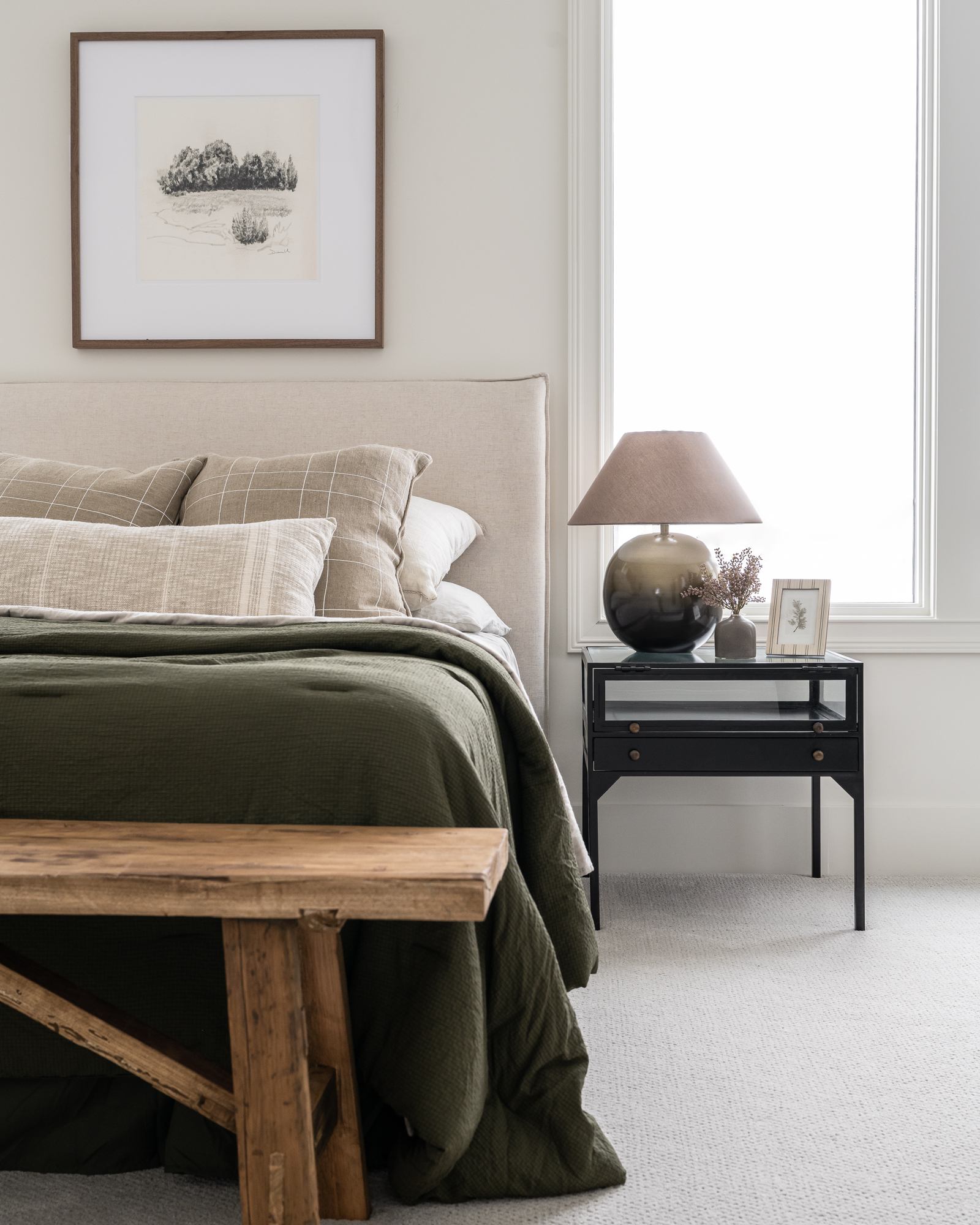
Your vision becomes a clear, buildable plan you can hand straight to your builder.
Let's do the real math on getting this wrong. One change order: $3,000–$5,000 — and most builds rack up several.
Just 15% over on a $400K build? That's $60,000 — gone — before you've picked a single faucet. Then stack on the delays, the months paying to live somewhere else, the years trapped inside decisions you resent.
Almost every dollar of it was preventable. With a plan.
$148 today — instead of the $3,000 change order six months from now, when you find out the wall-mounted faucet you fell in love with means tearing open plumbing that's already in.
One hundred and forty-eight dollars — to walk into the biggest purchase of your life with a complete plan in hand instead of a wish and a prayer.
You build it in under 30 days, every decision already locked to your vision and your budget — instead of figured out on the fly while the framers stand there, clock running, waiting on you.
Meet Your Instructor

Hi, I'm Emily.
For 7 years I've worked shoulder-to-shoulder with homeowners and builders in the design and construction world — including 8 custom homes and whole-home remodels in the last 4 years alone. Which means I've watched, up close, exactly where builds go sideways… and exactly what it takes to keep them from going there.
I'm also a believer, a wife, and a mom, and I care a little too much about creating spaces that actually fit the people who live in them.
Here's the pattern I couldn't unsee: smart, capable homeowners — people who have everything else in their lives handled — quietly deciding they were the problem. They never were. They'd just never been handed a process for the single biggest investment of their lives.
So I built one. Let's get yours in place before the first shovel hits the dirt.
What homeowners say after using The Pre-Build Method
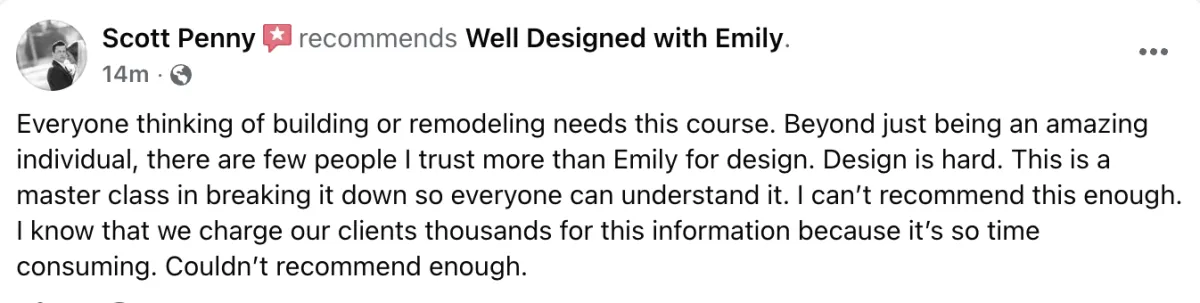
"He LOVED the book — and it's helping him give us a more realistic bid"... I finished both courses this week. The program helped me understand the language builders actually speak, so I could share my vision clearly. My builder loved the concept book — and it's helping him give us a more realistic bid.

"It helped me think through things I thought I'd already figured out." ... You and your program have been more than I could have dreamed of. When I'm ready to build, the concept book won't just speed up the process — it'll keep me on track with my goals and my budget. I cannot thank you enough.

"Working through the course and developing our Home Concept Book was extremely valuable in helping us to clarify our vision. We've been able to drill down into every space thoroughly and prioritize what we want from our future home. We have shared it with our designer who was extremely impressed by how clear we were so early on in so many important decisions...Tremendous resource!"

"I loved the course! I found all the info really helpful and worked hard on my booklet of design ideas and info. It really helped me get dialed into and focused on what I want for our build. Thank you for offering this great guide and workbook."

Join hundreds of homeowners who now approach their build with clarity, confidence, and a plan that actually works.
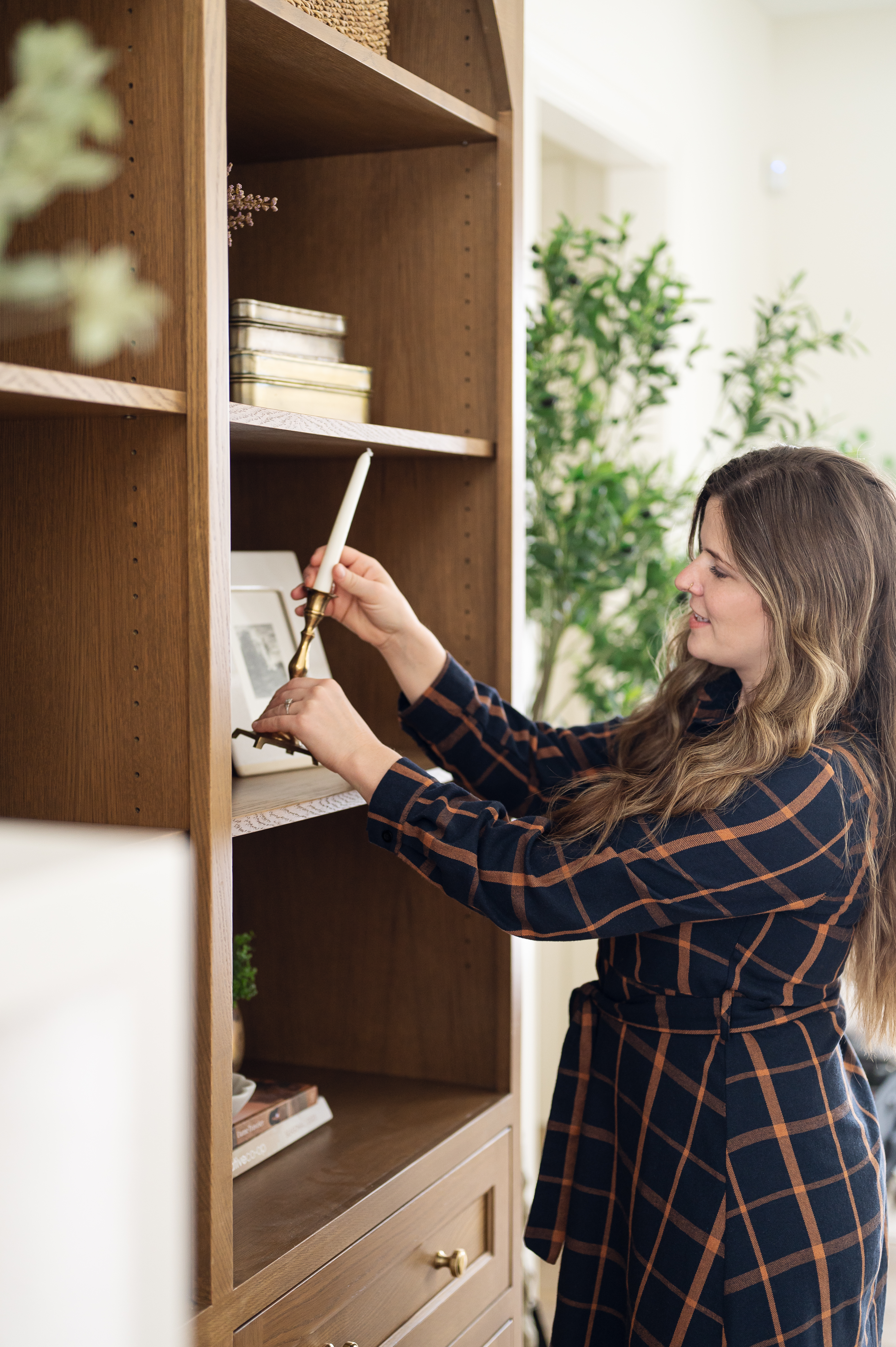
The problem I couldn’t ignore...
While working with homeowners and builders over the past 7+ years, I kept seeing the same pattern repeat itself.
Homeowners would start choosing things they loved — based on inspiration they’d saved — only to discover it was 10× the budget, completely impractical for their lifestyle, and far more maintenance than they expected.
Your builder shrugs: "That's what you asked for."
And your stomach hits the floor — because you did ask for it. You just had no idea what it would cost, or look like, or mean to live with… until it was already framed in and far too late to change.
Both left frustrated — even though neither had actually done anything wrong.
And that’s when it hit me...
There is a VITAL step missing in the process.
Homeowners aren't given the preparation needed to properly evaluate these decisions before they’re expected to make them.
So instead of intentionally designing the home they actually wanted, they end up reacting to decisions as they appear — often discovering the real cost of those choices after it's too late.
And that’s when everything starts to unravel.
Expectations get misaligned.
Budgets steadily creep up.
And the home slowly becomes a collection of isolated decisions — instead of the cohesive vision they dreamed about.
I knew there had to be a better path — and a better outcome.
Six months from now, you're one of two homeowners.
The one who winged it.
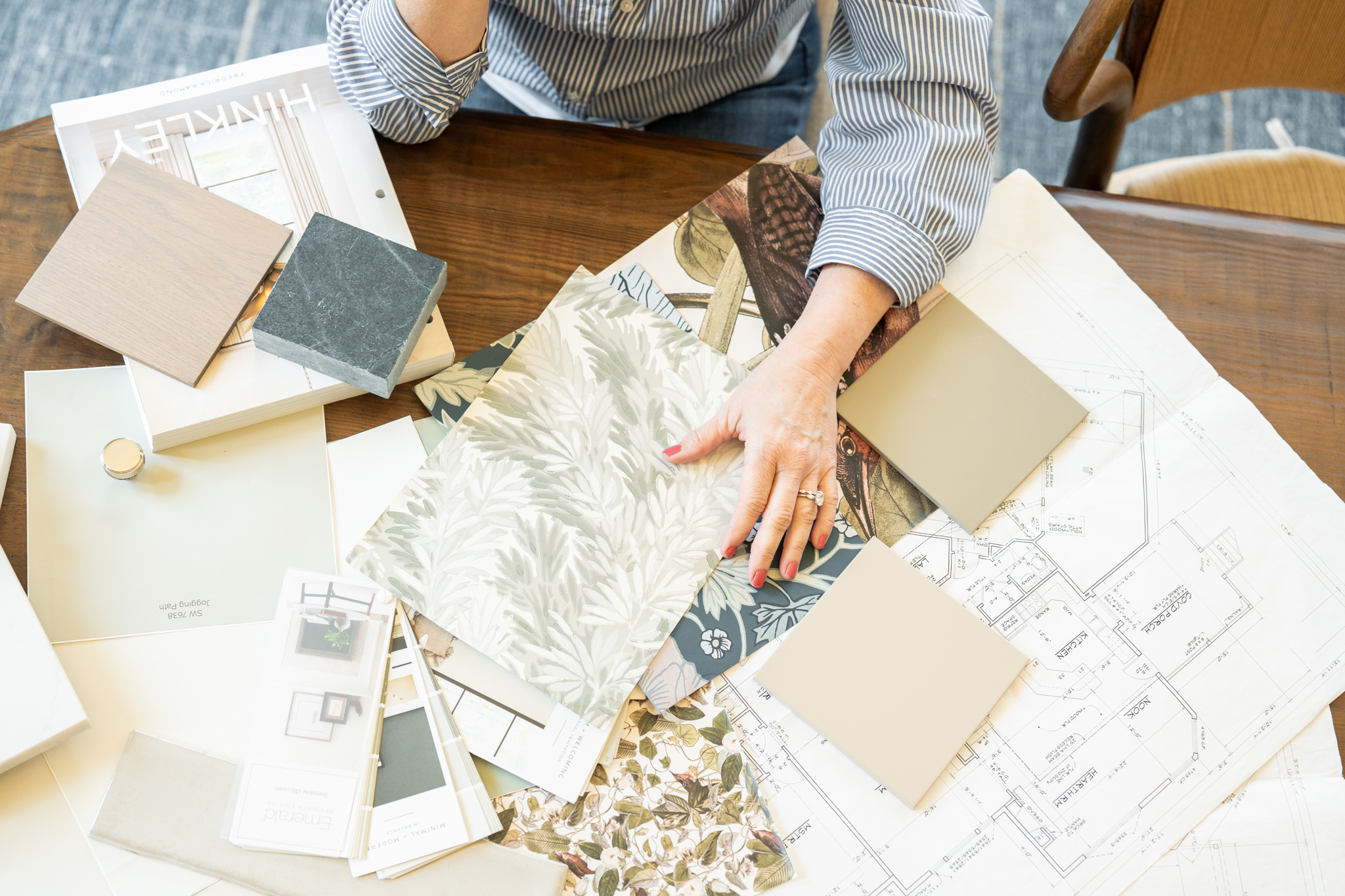
You're three change orders deep. The budget you swore you'd protect is $40K behind you.
You're making a five-figure decision in a parking lot because the framer needs an answer by noon — and you'll find out in a year whether you got it right.
OR
The one who planned.

The same decision comes up. You already know your answer — you made it months ago, calmly, at your kitchen table, with the full picture in front of you. You tell the builder in ten seconds and move on.
No scramble. No regret. No surprise bill.
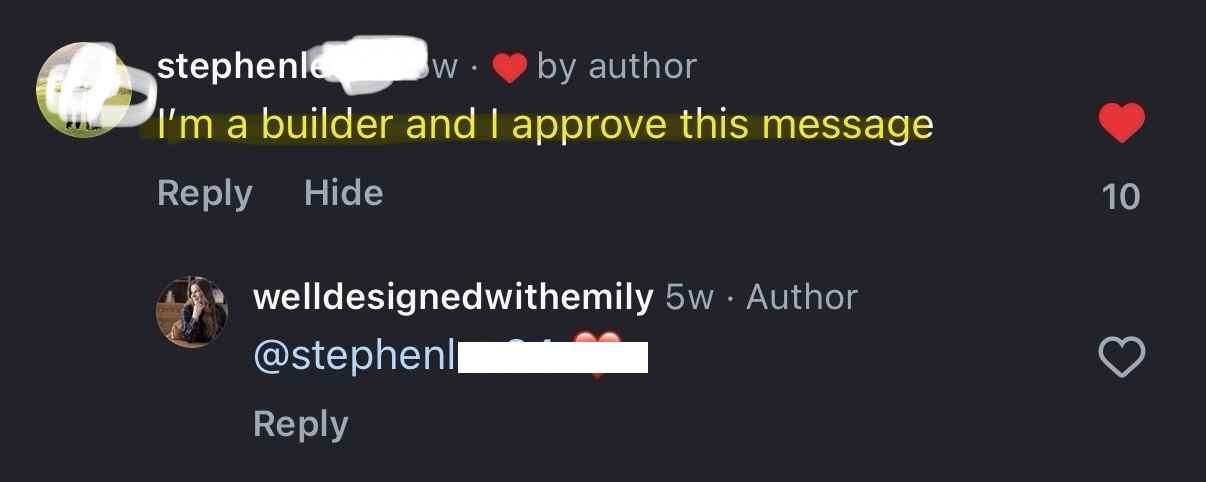
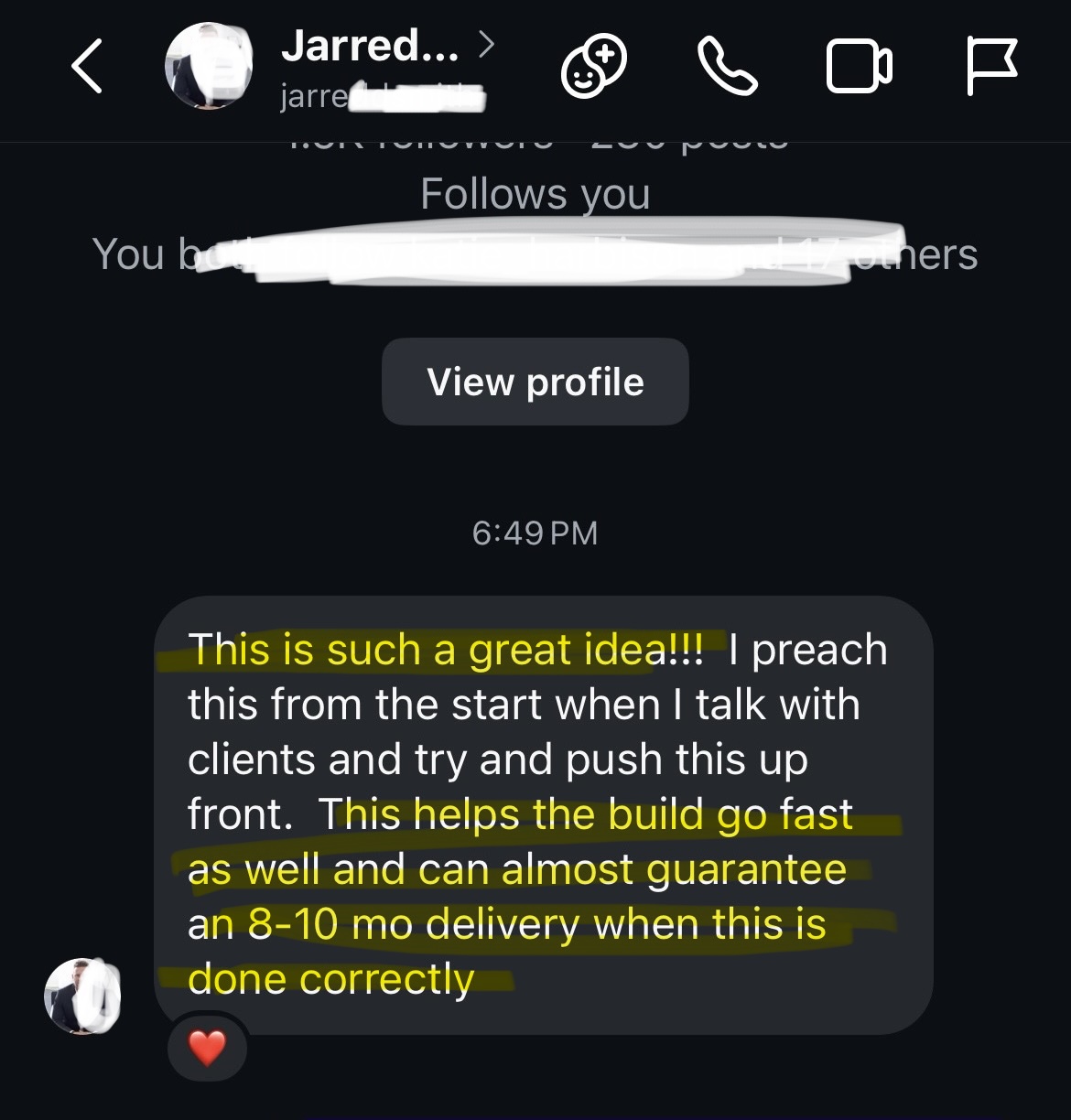
And builders agree!
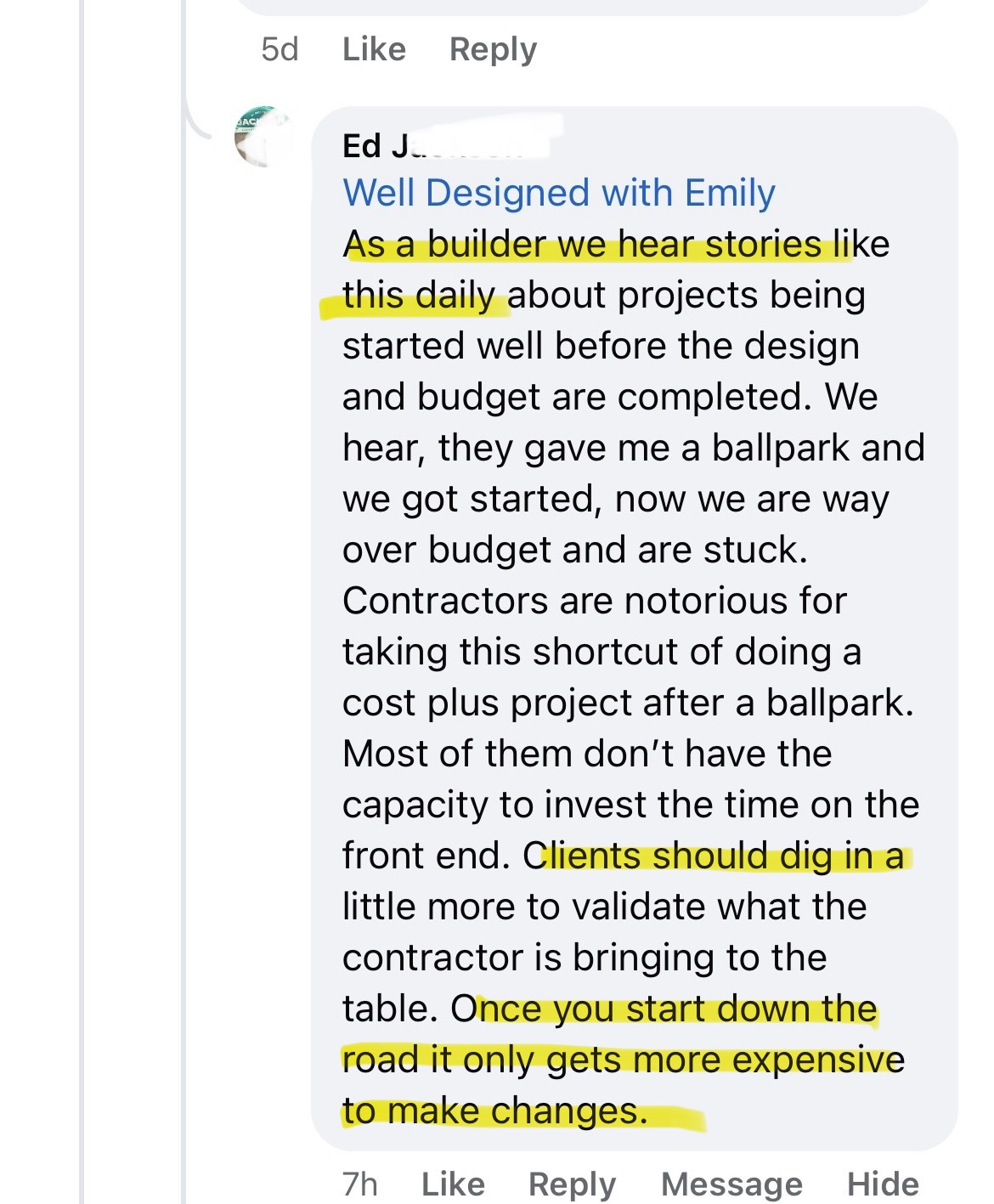
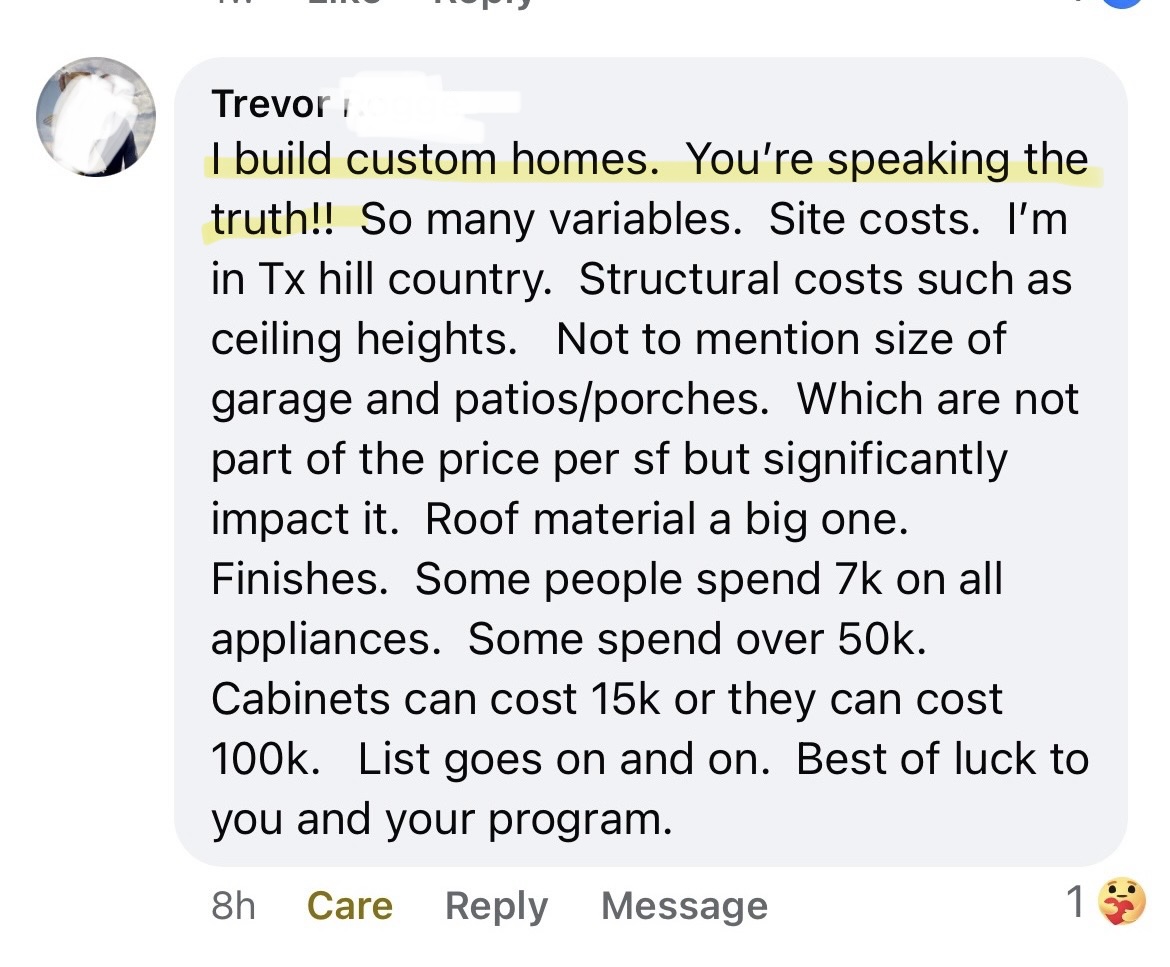
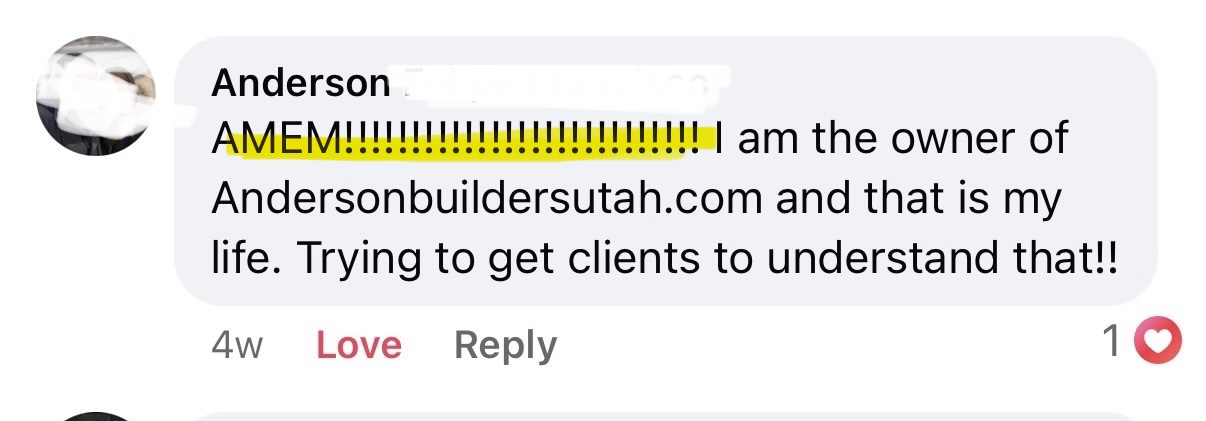
Ask any of them: the client who shows up with a plan is the one whose build comes in on budget, on time, and without the endless back-and-forth that detonates schedules and bids. Builders don't dread a prepared client — they pray for one.
Inside The Complete Pre-Build Method
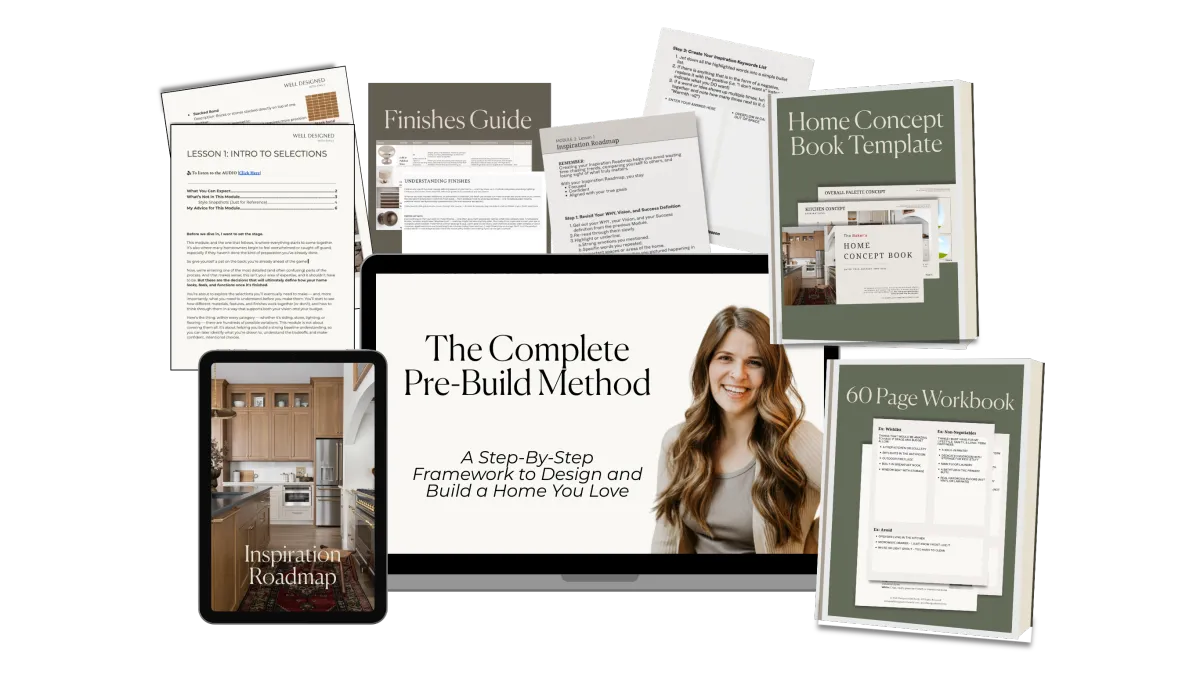
Inside the course, I walk you through the exact framework I’ve developed after years of working with homeowners and builders — so instead of guessing what to do next, you’re following a clear planning process.
Throughout the course you’ll work through a combination of:
Short videos that introduce each lesson and explain how it fits into the bigger picture
35 guided lessons with downloadable materials you can read and, in many cases, listen to
A 60-page guided workbook that helps you apply each step directly to your own home
A Home Concept Book template you’ll complete along the way — creating a clear plan you can share with your builder or design team
The course is organized into four phases:
Each phase builds on the last — guiding you from inspiration and ideas all the way to a clear plan for your build.
PHASE 1
Lay The Foundation
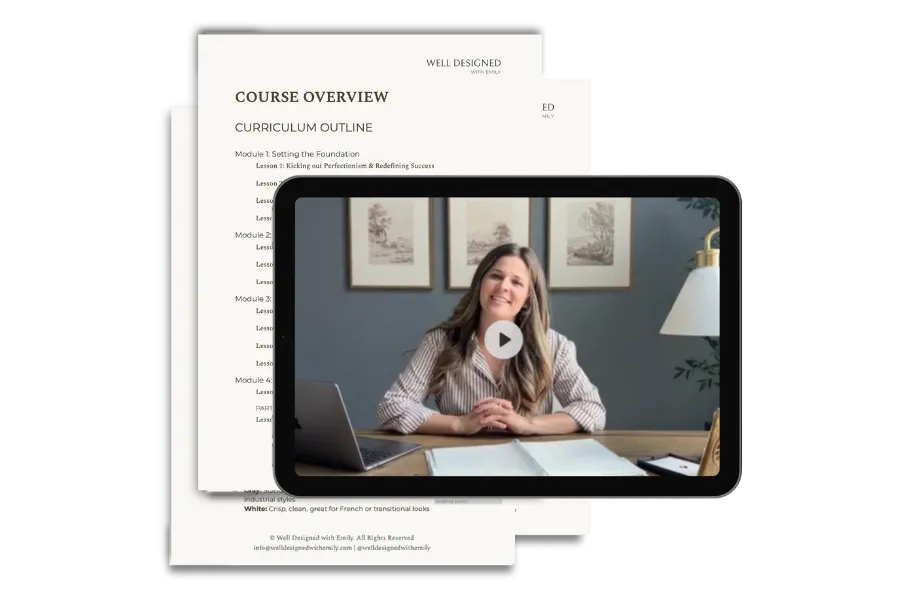
Before any more decisions start piling up, you’ll use my Lay The Foundation Framework and guided workbook exercises to clarify your priorities, style direction, and must-haves.
So instead of collecting endless inspiration, you’ll know exactly what matters most in your home and what direction you’re designing toward.
PHASE 2
Inspiration Roadmap
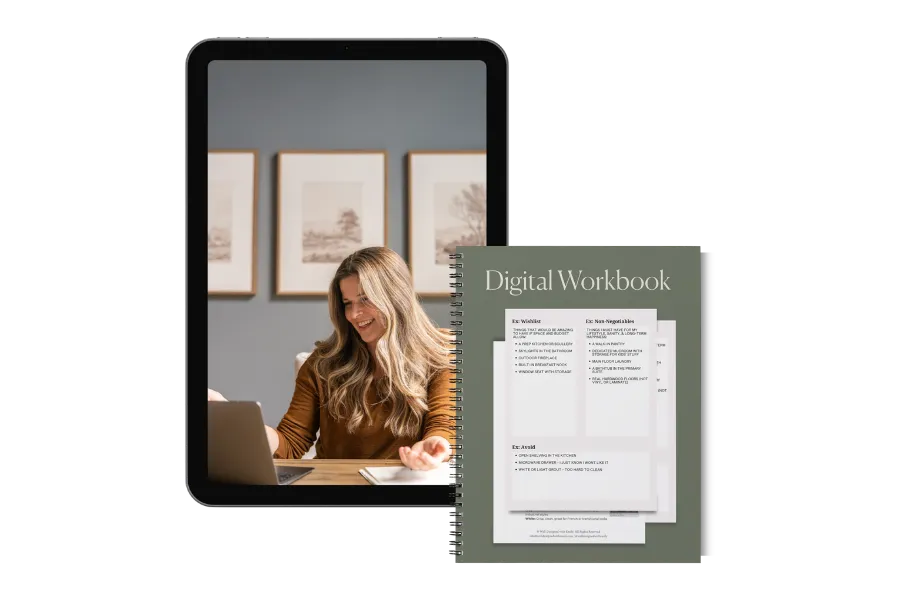
Using my Inspiration Roadmap, I show you how to translate Pinterest boards and saved photos into a cohesive design direction.
You’ll learn how to identify patterns in what you love and turn scattered inspiration into a clear vision for how your home should look and feel
PHASE 3
Understand the Tradeoffs
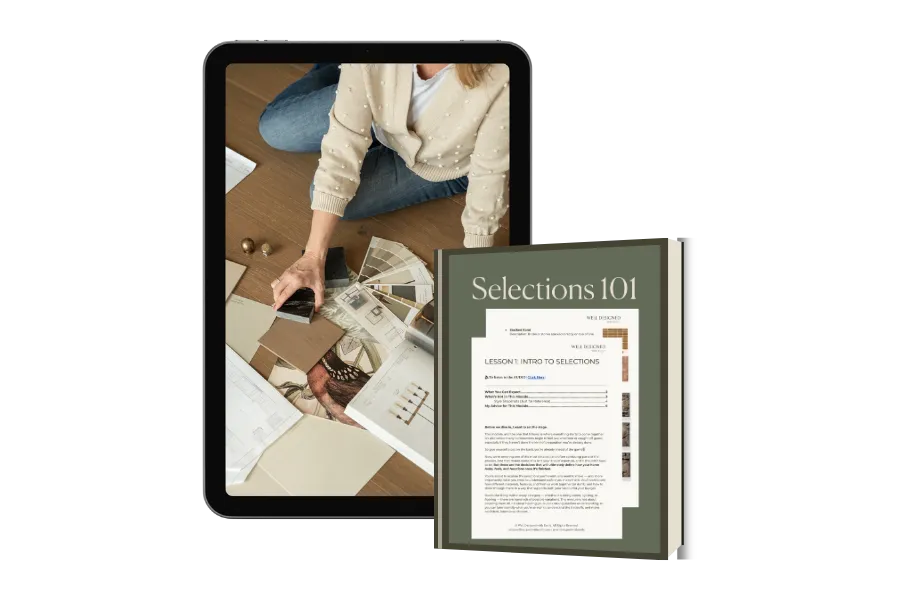
This is where most homeowners get stuck.
Inside this phase, I walk you through how to evaluate decisions through the lens of budget, function, quality, and aesthetics — so you can confidently prioritize where to invest and where to simplify.
Instead of discovering costs too late, you’ll understand how decisions impact each other before they lock in.
PHASE 4
Build Your Selection Plan
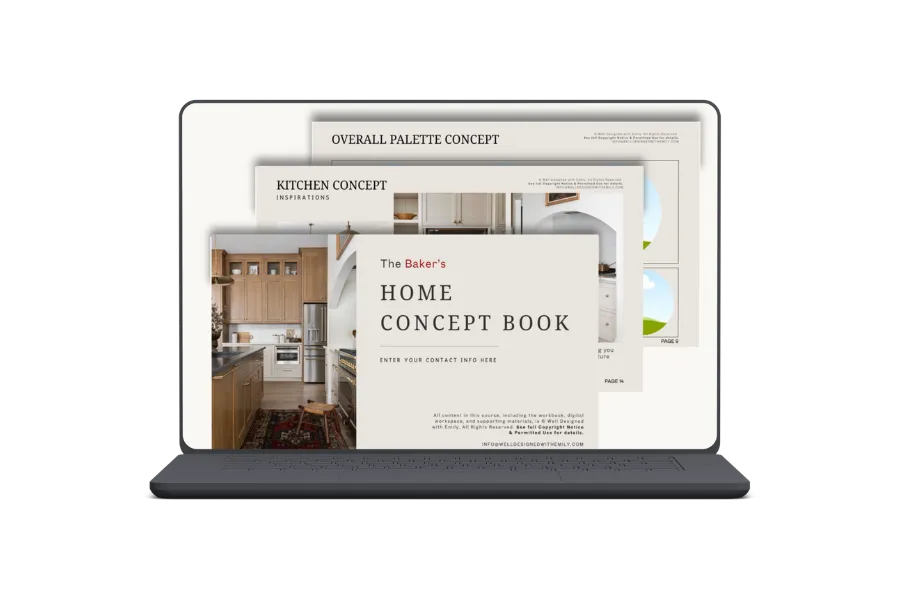
Finally, you’ll organize your finishes, materials, and design choices into a clear Home Concept Book that guides your build decisions.
So when the builder’s timeline begins and decisions start appearing, you’re not reacting under pressure — you’re simply executing the plan you already created.
What you walk away holding: your Home Concept Book.
Not a folder of ideas. Not a Pinterest board. A complete, builder-ready plan — your vision, your priorities, your selections, your decisions — in one document you slide across the table to your builder, architect, or designer. This is what gets you a real bid instead of a guess. It's the difference between being managed by your build… and running it.
The "Clarity, Guaranteed" Promise
Go through the method. Do the workbook. Start your Home Concept Book. If you reach the end and don't feel genuinely more clear, more prepared, and more in control of your build than the day you started — email me, and I'll make it right, personally. I can stand behind that because I've watched this work, build after build. The only thing you're risking is staying exactly as overwhelmed as you are right now.
One small decision during construction can cost thousands. The plan that prevents it costs $148. Planning ahead isn't the expensive option — winging it is.
The questions homeowners ask before they start
"Is it too early — I haven't even signed with a builder?"
That's the best possible time, and the people who start here get the most out of it. The clarity you build now is what should be driving every decision ahead of you. Start after everything's locked in, and you're just documenting choices you can no longer change.
"Is it too late — I've already started?"
Probably not. As long as you've still got real decisions ahead, pausing now to get clear can save you from the change orders and regret still barreling toward you. The only true "too late" is the one where you keep going without a plan.
"We're hiring a builder and a designer. Isn't this their job?"
Your builder is the expert in building. Your designer is the expert in design. But only you can be the expert on your family — your routines, your priorities, what this home has to feel like. This doesn't replace your team; it makes them far more effective, because they stop guessing at what you want and start building it. Ask any builder which clients end up with the best homes: the prepared ones. Every time.
"We're not hiring a designer. Will this still help?"
You might need it most. This walks you through the exact decisions and tradeoffs a designer would normally guide — so you move forward with a plan instead of a guess and a prayer.
"Does this work for remodels?"
Yes. The examples lean new-construction, but the engine — clarify priorities, weigh tradeoffs, decide proactively — applies straight across. You just focus on the lessons that fit your project.
"How much time does it take?"
Fully self-paced. Some move through in a few weeks, others stretch it over months. The average homeowner finishes in about 30 days — and saves themselves a year of second-guessing.
"How is this different from Pinterest, YouTube, and free advice?"
Free resources hand you ideas. You're already drowning in ideas. This hands you a process — the thing that turns all those ideas into decisions, and decisions into a plan you can actually build from.
"What do I actually walk away with?"
A completed Home Concept Book — a cohesive, builder-ready plan in your hands. Instead of a board full of pretty pictures, you'll have the one document that gets you a real bid and a build that goes the way you planned.
Instant lifetime access • Watch at your own pace • Use during any stage of your build
A straight word on the price:
$148 gets you everything — the full method, the workbook, the Home Concept Book template, and the community of 400+ homeowners building right alongside you — bundled into one. I'm splitting these into separate pieces down the road, which means buying them à la carte later will cost more than buying it all today. This is the lowest this will ever be.
And here's the real math on waiting: every week you put this off is a week closer to making the exact decisions this would have walked you through — without it. The plan never gets cheaper. The mistakes only get more expensive.